Didn’t know quite what to expect but on the way here many signs pointed to “Wedgewood”. Well follow the signs to find out I says.
Out in the country through all the usual English country lanes we get to….
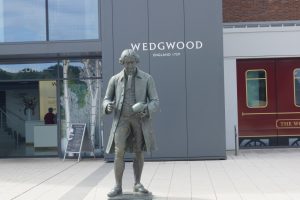
Yes, the home base and manufacturing facility of Wedgewood China. It’s huge although we subsequently learn that it now only employs about 600 when earlier it was over 2000. Amazingly still so much is hand made, hand painted and hand assembled and packed…
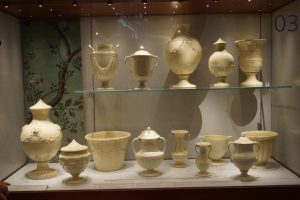
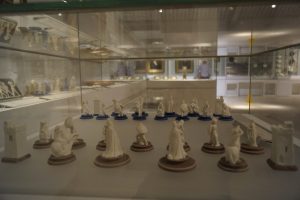
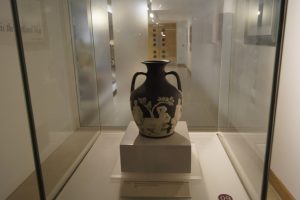
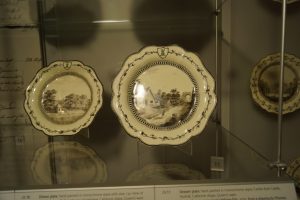
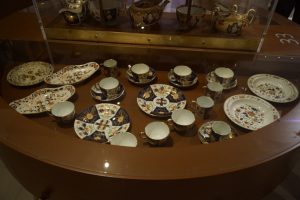
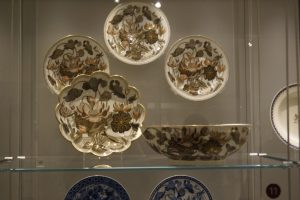
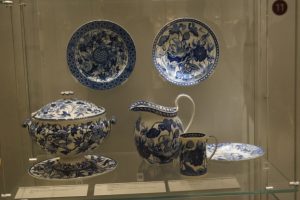
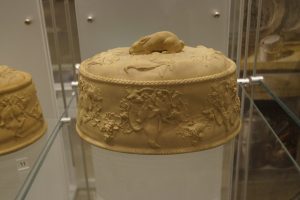
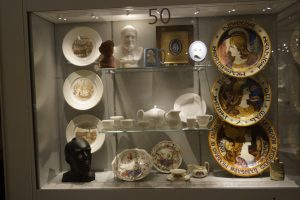
the first being “creamware” the first ever mass production Wedgewood selected by the then Queen for her own use (around 1750 I think I remember) and what put Josiah Wedgewood on the map. The rest are just examples of hand crafted, hand painted china over many years although the single “pot” has a value of around 1 million pounds.
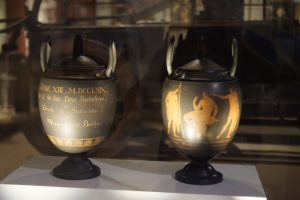
These two pots are just two of six and also have a value of around 1 mil…..
We were not allowed to film in the factory so a word description is necessary. Firstly we were advised that we had arrived at the right time of the day as the factory had not yet fully heated up. Thanks!!!
It was already hot with several kilns running at 1100′ and not all were fired up. Actually most of the firing occurs overnight but it still gets hotter later in the day. Firstly was an overview of the factory floor – watching individuals place clay into moulders, others attaching handles, others moving stacks of part cooked pieces setting them up to go through the kilns. As we moved around the gallery above the factory floor there were many descriptors of the action below. Then we come down to the factory floor where the painters and artists are working, then the moulders and pattern makers – line after line of hand crafting operations. Just delightful to witness. One fellow we got chatting to had been hand moulding and machining special pieces on a 200 year old lathe for the last 40 years. It appears that the majority of employees are long term.
The factory is set in the middle of a housing estate. This was developed for the workers although it is now being extended for private sales. This is the second major plant of Wedgewood and has been in operation since the 60’s I seem to remember. The first was built in the early 1800’s and lasted until this one was commissioned…
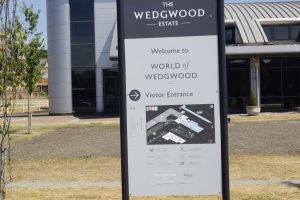
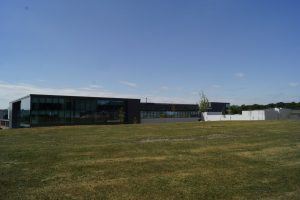
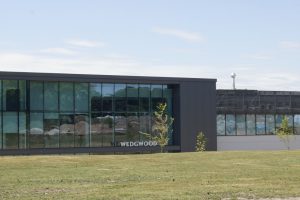
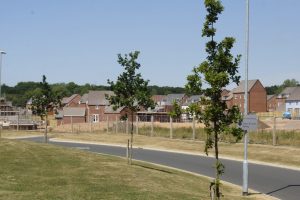
It’s impressive. Also in the area is the house of Spode. We didn’t seek that one out. Sorry Margaret but we couldn’t afford to bring any home.
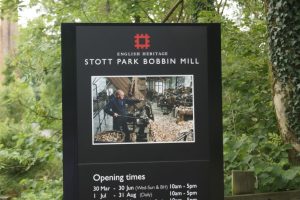
Moving on we had a way to go to get to Liverpool for the night but not before a stopover in a little village to see a Bobbin Mill. WTF!
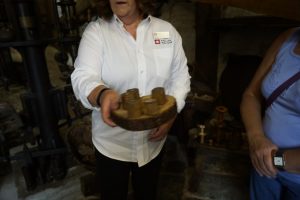
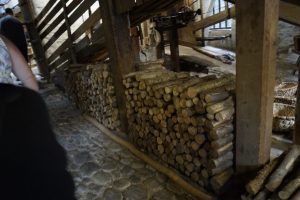
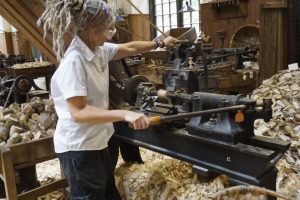
Back in the industrial age cotton and wool weaving was at its height.What is cotton or wool wound onto to feed the machines? – a bobbin. Apparently back when it was all happening there were some 60 bobbin mills knocking out bobbins in this area. This is the only one that has been preserved and in its heyday put out 1 million pieces in a year.
Why here I heard some ignorant person ask – cos heres the wood and heres the water. Water? Of course, what drives the machinery! Surrounded by forest of the right specification although the timber once cut had to be sized and dried over about 12 months before it could be worked. But of course thats what you have 10 year old apprentices for – chop the wood size it and stack it. Workers here worked 12 hour shifts, got paid by the piece and worked 6 days straight. The conditions are horrendous….
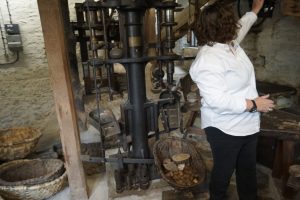
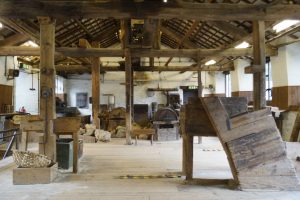
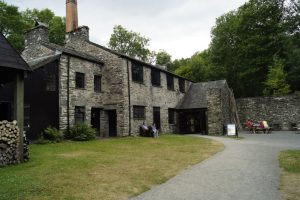
The original equipment was driven from a waterwheel but sometimein the late 1800’sa steamengine was put in and this still gets fired up today (well not actually this day cos it was broken, but when its fixed again it will) …
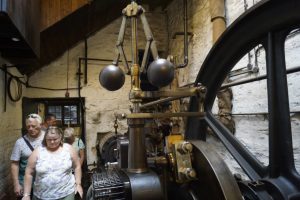
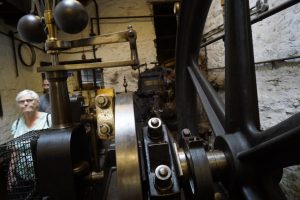
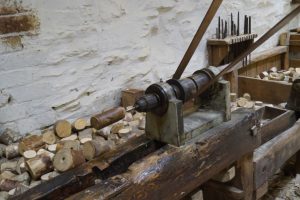
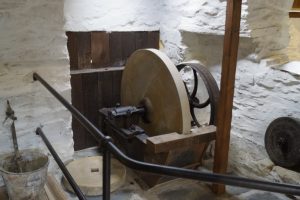
all the tools and lathes are continuously running via belts over pulleys throughout the shop. Repairs are made whilst everything continues to run – pretty exciting stuff.
Well after a hard days work we retired to our castle for the night…
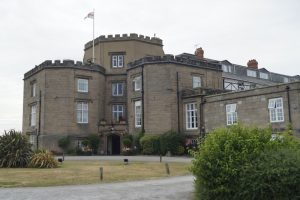
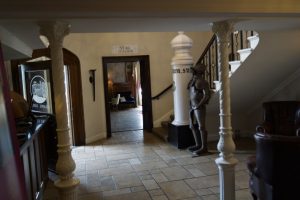
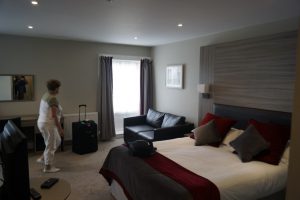
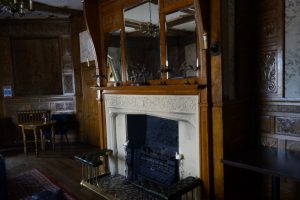
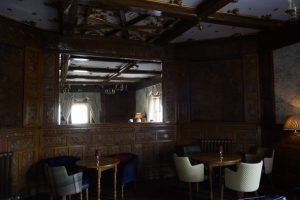
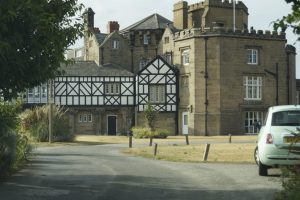
– Leasowe Castle just out of Liverpool. Not only was it a fun place to be it was comfortable and reasonably priced and we enjoyed one of the best meals we’ve experienced so far.
We sort of explored Liverpool on our way out the next morning and found nothing to our liking – it looks grotty, derelict in parts, not at all attractive. No wonder the Beatles left for greener pastures.
From Liverool it was on to Carlisle, partly because it was on the way north and it presented as a reasonable place to stop for the night. It also proved to be a good jumping off point to see Hadrians Wall. This wall, some 76 miles in length with observation towers every 1/3 mile, a fort every 1 mile and a garrison every 5 miles or so was commissioned by the Roman emporer Hadrian in 166AD to denote the most northern border of the Roman Empire. It is not the Scottish border and is in part some 60km south thereof, but it was placed there to ward off the northern hordes. It is impressive…
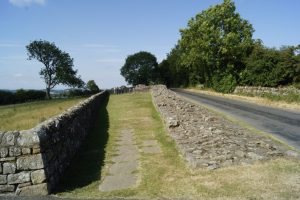
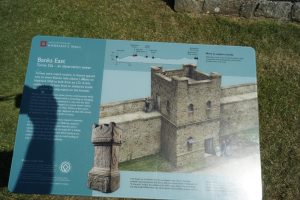
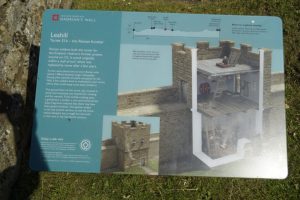
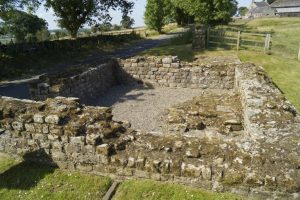
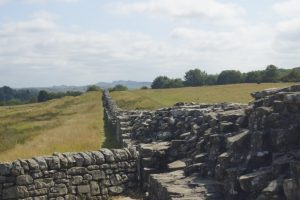
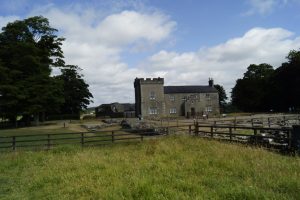
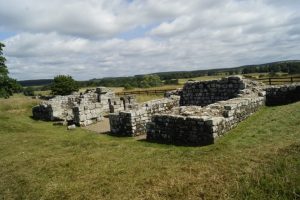
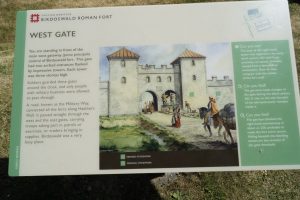
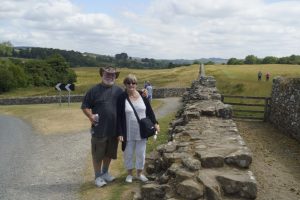
having been built some 4 metres high and as much as 2 metres thick. So, where has it all gone? Well here of course….
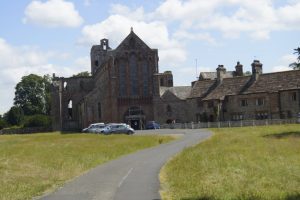
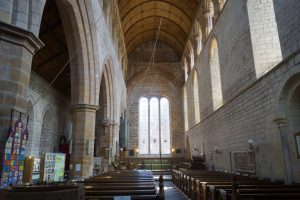
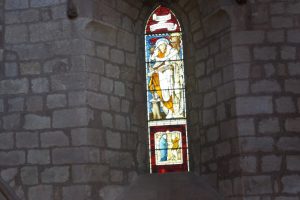
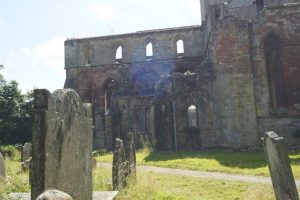
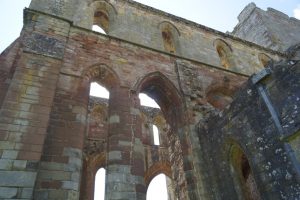
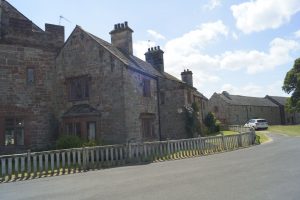
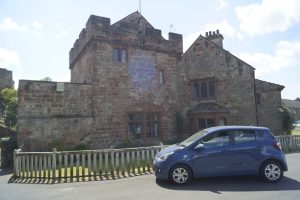
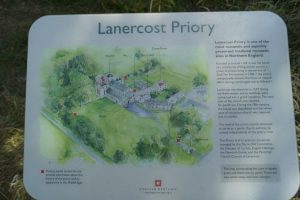
– Lanercost Priory and hundreds of other such buildings either side of the wall after the demise of the Roman empire after 410AD. Whilst it was not immediate as many Roman soldiers and their families remained in situ, most of the wall was simply ‘repurposed’ over time.